Two apocalypses
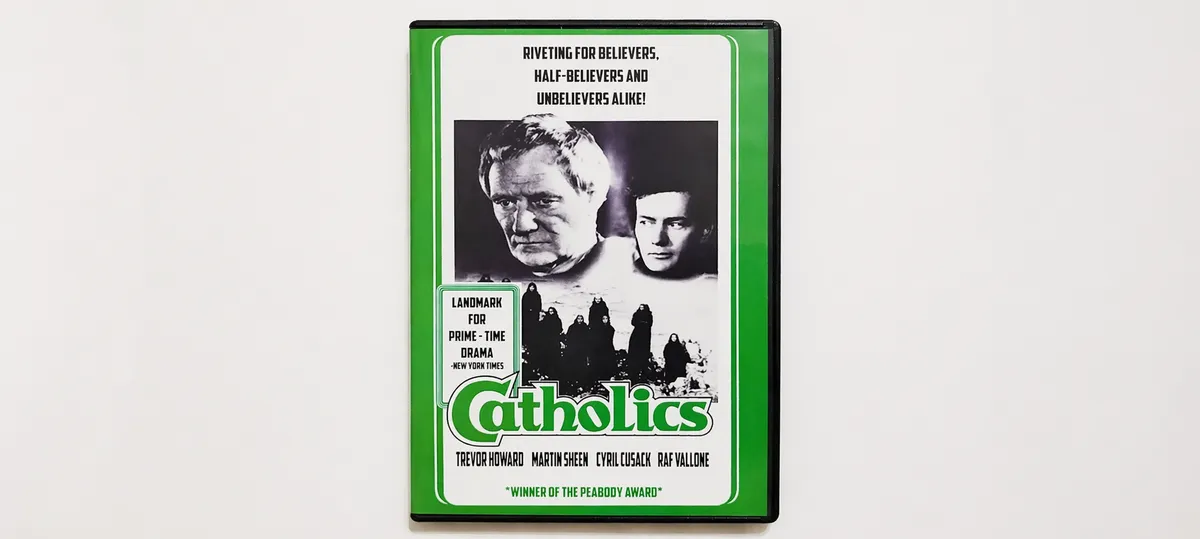
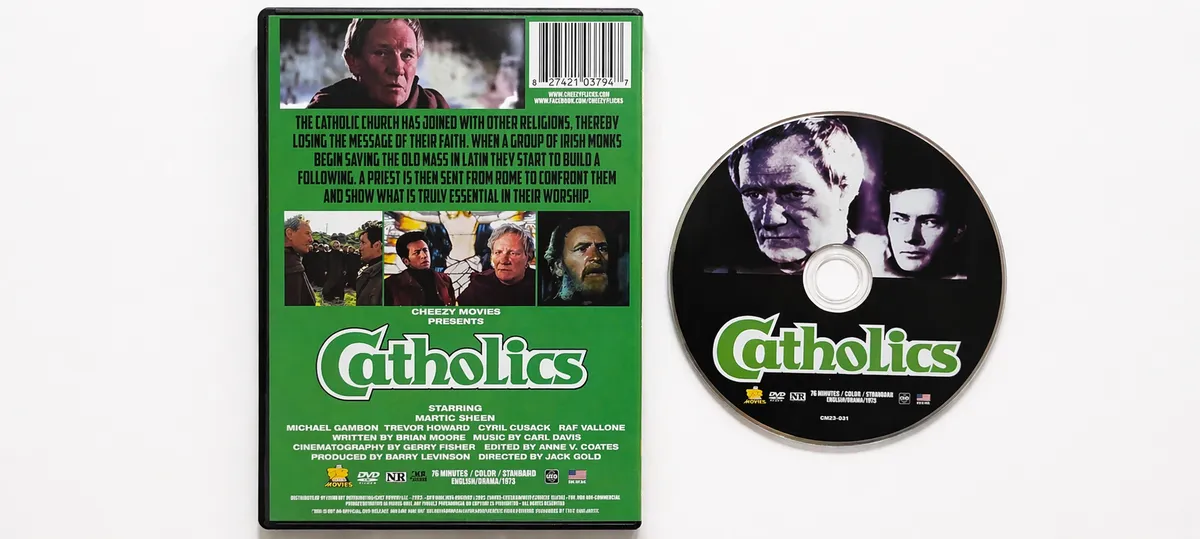
HOLY. TUESDAY, ST. JOHN’S, NL—After letting the DVD sit in my library for far too long, I finally watched this:
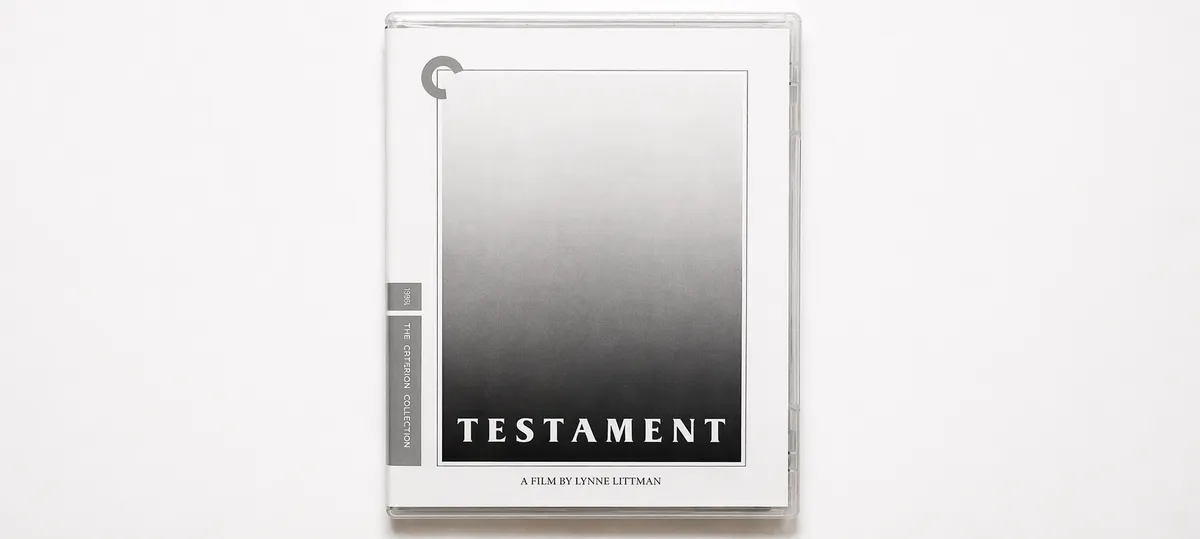
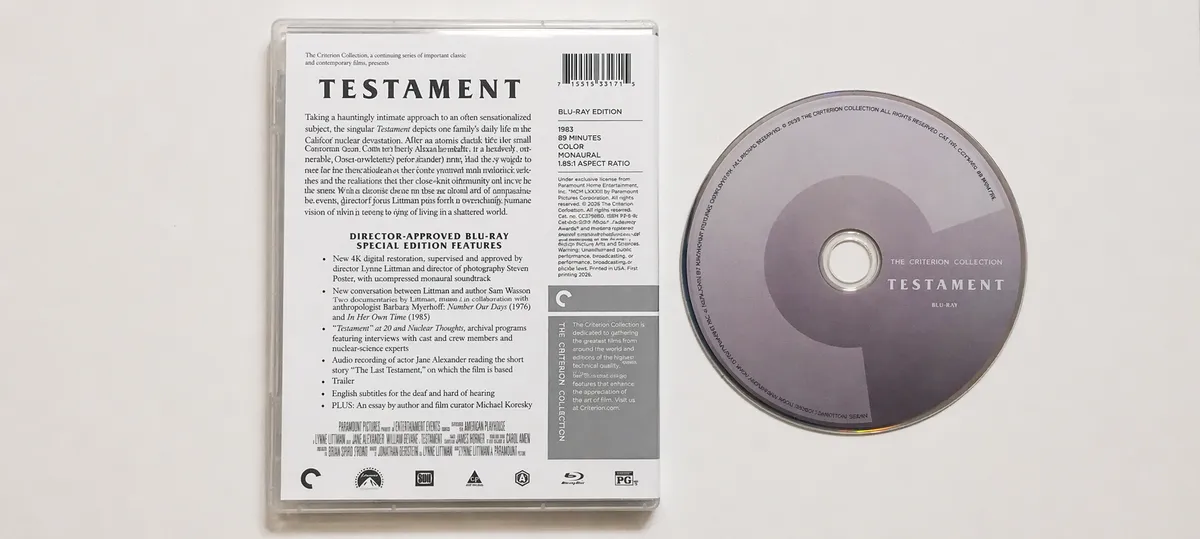
It was also my first time seeing this—which was one of the Criterion Collection’s Blu-ray releases this month:
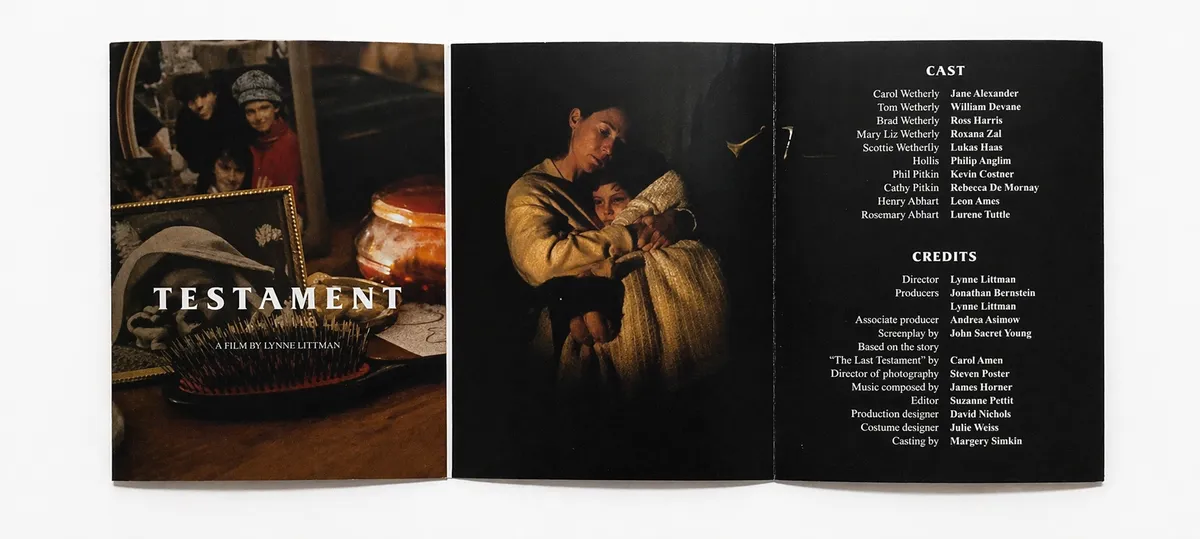
Some movies stick with you not because they feel “realistic” in a surface way, but because they tap into worries that already exist in the background of the world. That’s what happened for me with Catholics and Testament. Although they are very different films, watching them back-to-back, makes them feel like two sides of the same question: what happens when the systems people rely on start to fall apart or change beyond recognition?
Catholics is set in the future, but it doesn’t feel like sci-fi in the usual sense. There are no gadgets or flashy sets; instead, it shows a Church that has changed a lot over time. The Latin Mass—once the backbone of Catholic liturgical identity—is officially supressed, and the Church has taken on a more syncretic or “blended” form of belief and practice.
What stands out is how normal and calm everything looks on the surface. There’s no chaos—the institution still exists, still functions, and still speaks with authority. However, something important feels missing underneath it all.
Trevor Howard’s character represents the older way of life in the Church—rooted in tradition, especially in the liturgy. Conversely, Martin Sheen’s character represents the modern institutional mindset: unity, reform, and adaptation to the world as it is now.
Neither side is shown as evil, and that’s what makes the film uneasy. It’s not about good versus bad; rather, it’s about whether changing too much can quietly erase something essential, even if everything still looks “officially” intact.
Meanwhile, Testament goes in a very different direction. There’s no religious debate or internal reform here; instead, the world has already been hit by nuclear war, and the story follows a small American town trying to keep going afterward.
What makes the film so powerful is how ordinary it is. There are no big action scenes and no focus on world leaders or military strategy—just daily life continuing under very heavy conditions.
People try to care for their families, go to work, and stay normal, even as the outside world has collapsed. But slowly, that normal life starts to break down, too.
Ultimately, the film is less about the disaster itself and more about what happens after it—when there’s no clear system left to rely on.
These films are not “prophetic” in the modern sense of predicting specific headlines or historical events. Instead, they embody a more genuine interpretation of the term—similar to its original meaning in the Hebrew Bible. They identify trends that are already evident in the present and project them to emotionally plausible conclusions, taking real pressures and extending them into the future.
In Catholics, the anxiety is about institutional adaptation: how far can a tradition change before it becomes something else entirely? In Testament, the anxiety is about fragility: how quickly does ordinary life dissolve when the structures supporting it vanish?
Both films refuse triumphalism, and neither offers restoration or resolution. Instead, they linger in ambiguity, forcing the viewer to sit with questions that resist easy answers. What is essential in a tradition? What survives catastrophe? What does fidelity look like when the world no longer provides stable reference points?
As previously mentioned, what makes these films stick is that they don’t give easy answers, nor do they end with clear solutions or neat hope.
Instead, they leave you sitting with these profound questions about identity, continuity, and fragility—both for institutions and for ordinary life.
And even though they are bleak in different ways, neither one feels pointless. They treat belief, tradition, and human connection as things that still matter, even when the world around them is shifting or falling apart.