Ramen: A Wonder Woman story
Wonder Woman, starring Lynda Carter, made its debut in the Philippines in 1975. It was a Wednesday, and the program was scheduled for 7:30 p.m. on RPN Channel 9.
Earlier that day, a Nissin instant noodles truck had been making its rounds through our neighborhood, announcing its goodies over a loudspeaker. My mother bought several packets, and that evening, we had Nissin ramen for supper while watching Wonder Woman on television.
It was my first introduction to Japanese instant noodles, and somehow, more than half a century later, Nissin and the Amazon princess remain inseparably linked in my memory.
Nissin remains my favorite brand of ramen to this day . . .
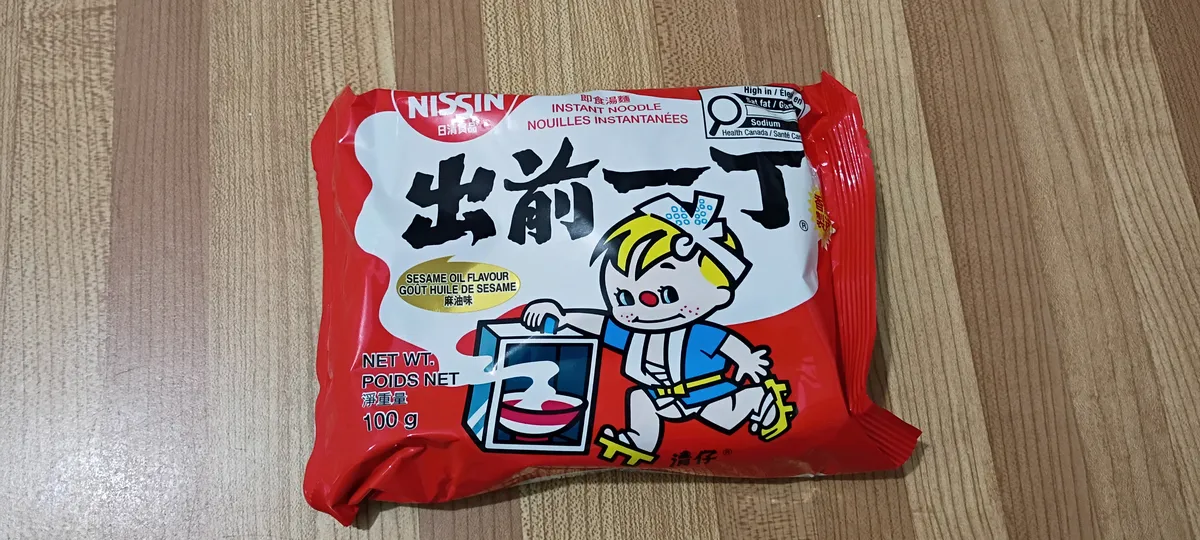
Performative. Long before ramen became fashionable in North America, with its trendy restaurants, elaborate toppings, and, more recently, TikTok enthusiasts, instant noodles had already been a staple of university dormitories and student apartments. They were cheap, convenient, and required little culinary expertise.1
I remember being absolutely shocked when I saw someone cook a packet of instant noodles and then drain away the broth! What sacrilege!
There are quite a few pretentious restaurants in Newfoundland calling themselves “Asian” or “Filipino” and serving what they claim is ramen. I find their offerings disgusting. Ramen is Japanese—not Indian, not Thai, and not even Filipino. And while there is certainly room for culinary experimentation, I wish people would at least understand what they are attempting to bastardize.
Purist that I am, whenever I have the time and the luxury of preparing ramen at home, I try to remain as faithful as possible to its Japanese origins, from the broth and noodles to the meat, vegetables, and presentation . . .
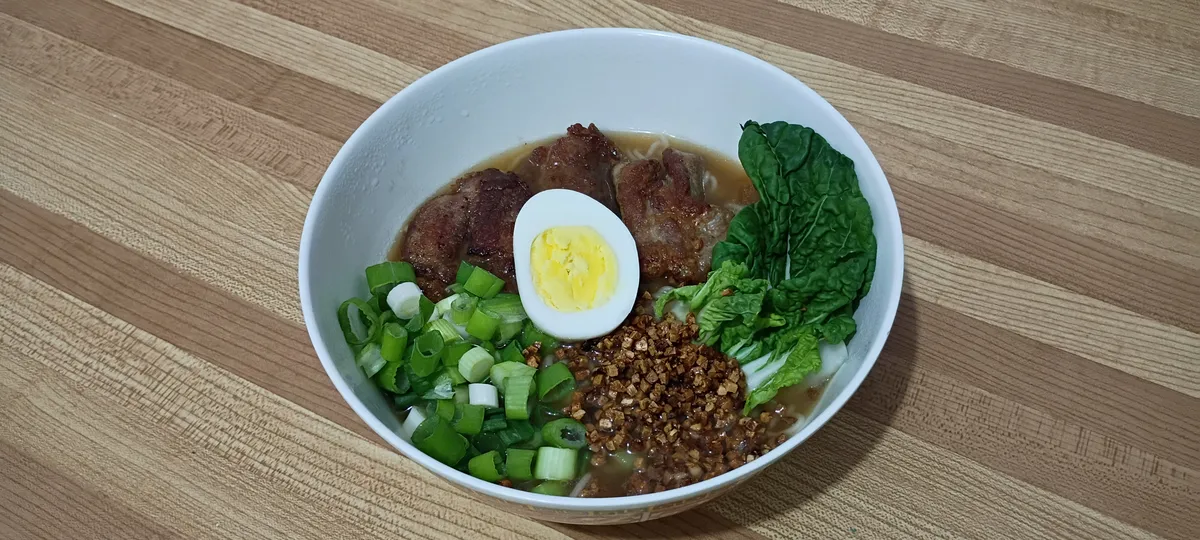
After all, I have been properly schooled in the art of ramen by none other than the great sensei: the movie Tampopo!
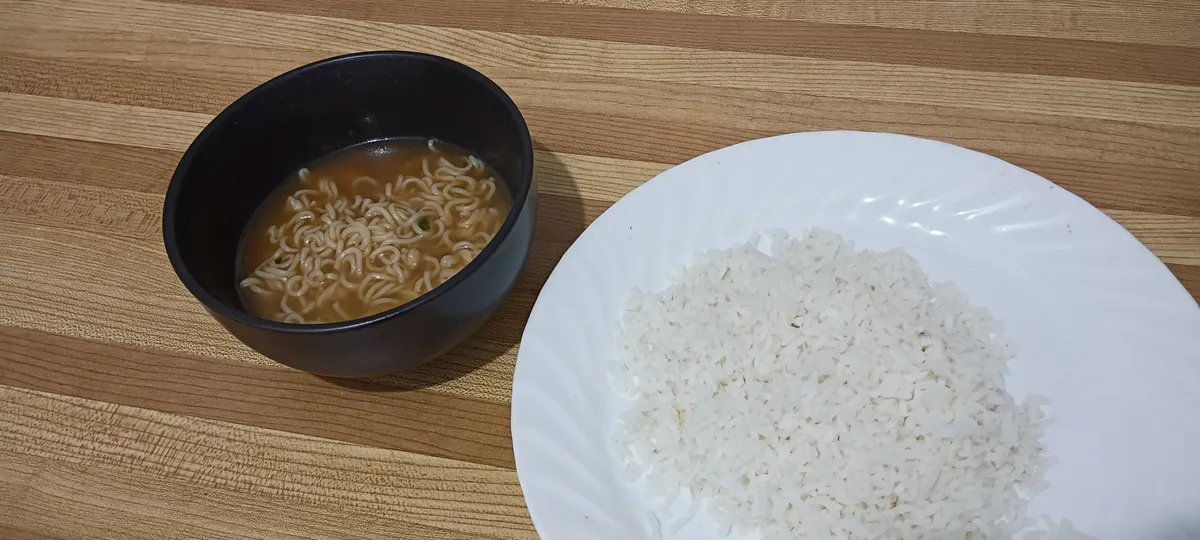
The reality. In the Philippines, instant noodles are also poor people's food. For many impoverished families, a single packet must feed five people, sometimes more.
There is no question of adding slices of pork, eggs, fresh vegetables, or any of the other ingredients that make restaurant ramen so attractive. They simply cannot afford them. If they are fortunate, there is plain rice to accompany the noodles and broth, stretching that single packet into something resembling a meal for the entire family.
Even here in the parish house, I seldom have the time or the luxury to prepare the elaborate ramen I showed earlier. Most days, convenience wins over culinary pretension. But there is another, more fundamental reason. I am Filipino.
And despite my affectations of Japanese culinary authenticity, this is how I actually eat my ramen most of the time . . .
1. George Solt, The Untold History of Ramen: How Political Crisis in Japan Spawned a Global Food Craze (Berkeley: University of California Press, 2014), 163–178.