India, my way
Diwali is long over, but then again, I have never needed any special occasion to indulge my interests!
For as long as I can remember, I have been in love with India’s extraordinary cultural heritage. Over the years, that love has found its way into my library and even the decorations around my home.
So, for no particular reason other than the pleasure of sharing them, I thought I would show you some of my Indian treasures—and there’s more to them than just Bāla Kṛṣṇa mischievously hiding in my cupboard . . .
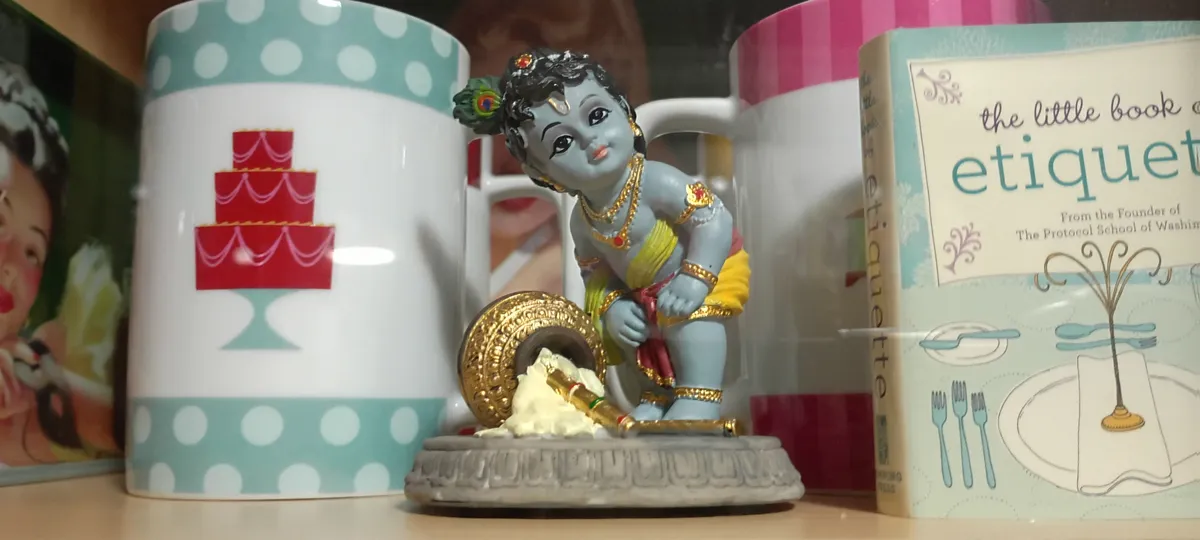
Let me begin with India’s amazing literary heritage, particularly the Mahābhārata and the writings of Rabindranath Tagore . . .
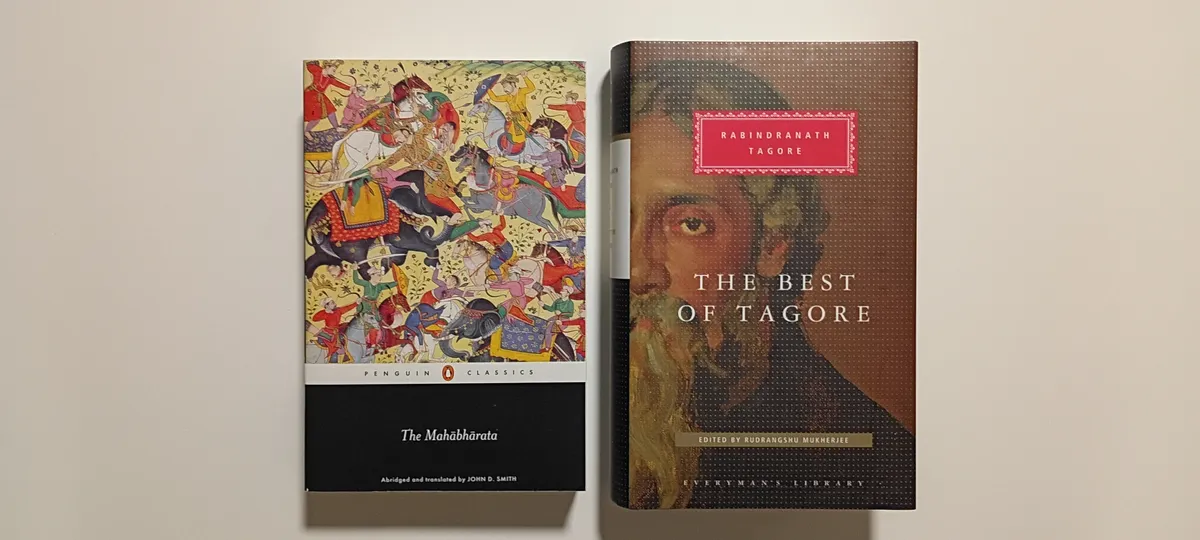
I consider Tagore one of the greatest writers who ever lived—certainly among my personal favorites, and, if you ask me, a far greater (and definitely more lucid) literary genius than the overrated Shakespeare. There—I said it! Tagore has been a profound influence on my own writing.
Meanwhile, the Mahābhārata is the monumental epic that recounts the power struggle between two royal families, the Pāṇḍavas and the Kauravas. Woven into this vast narrative are stories of gods and heroes, love and betrayal, kingship and warfare—and the celebrated Bhagavad Gītā, a spiritual and philosophical dialogue exploring morality, duty, justice, and the human condition.
The Mahābhārata is most definitely older and longer than the entire Christian Bible, including the Hebrew Scriptures and the Deuterocanonicals. (Even if you put all those Jewish and Christian canonical and apocryphal writings together, the Christian Bible is still no match for the sheer immensity of the Mahābhārata! Contrary to popular belief, the Christian Bible is never a “long” book or collection of books.)
My Penguin Classics edition of the Mahābhārata is, of course, a condensed version of the epic. I have yet to come across a full set containing the complete, unabridged text.
Anyway, I also have this exquisite art book featuring paintings by the Italian artist Giampaolo Tomassetti, who brings the great stories and characters of the Mahābhārata to life in the classical tradition of European Renaissance painting, combined with Indian artistic and decorative elements. It is the finest visual interpretation of the epic’s most celebrated stories that I have ever seen . . .
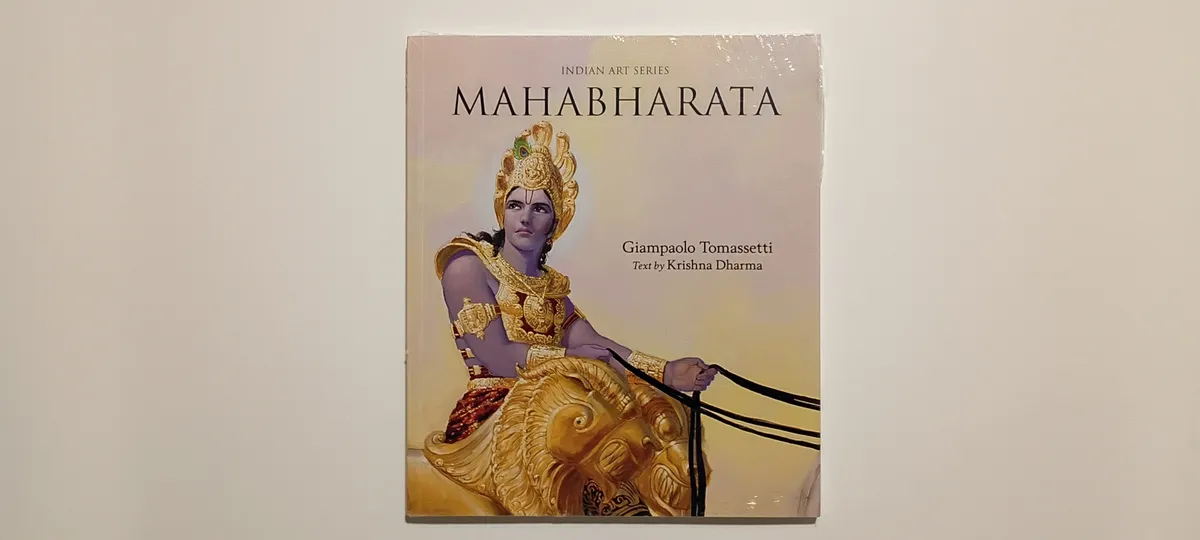
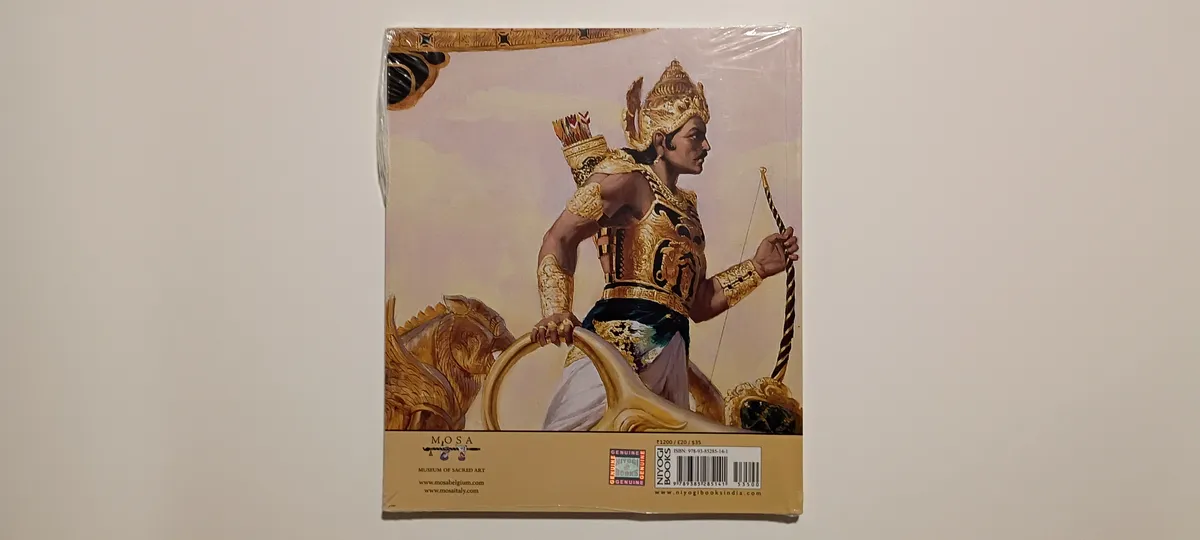
Incidentally, I still haven’t opened my copy, because the book has now become something of a rare collector’s item. You can admire Tomassetti’s extraordinary paintings without breaking the seal on the book by visiting his website → here.
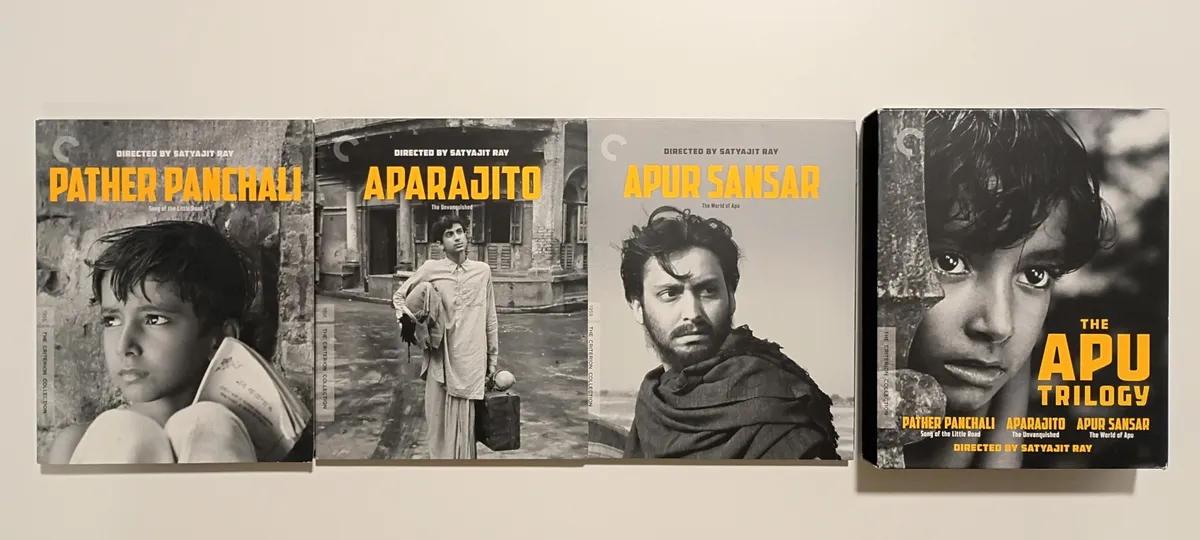
My love for Indian literature extends naturally to Indian cinema, particularly the extraordinary films of Satyajit Ray, one of the greatest filmmakers of the twentieth century. Fortunately, many of his classics are available through the Criterion Collection, and I am delighted to have several of them in my own library . . .
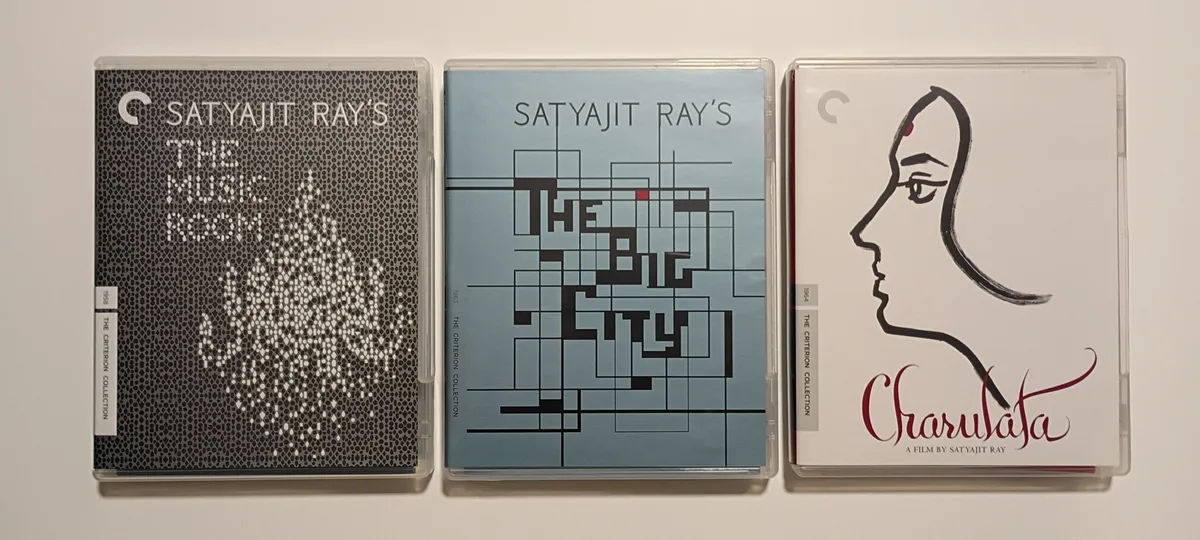
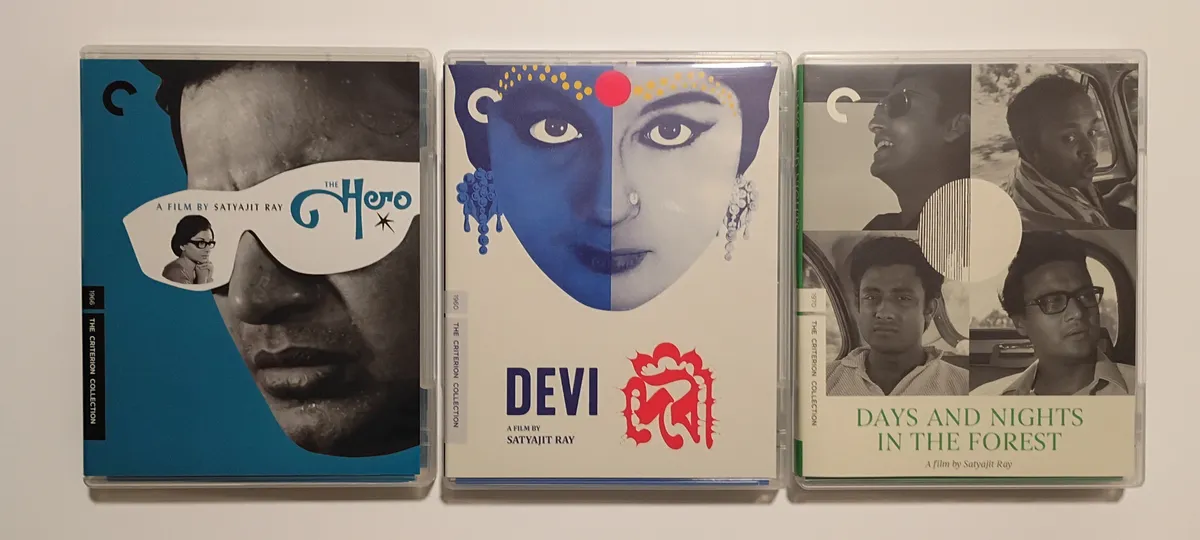
Like Tagore, Ray was Bengali, and the connection between these two artistic giants is especially fascinating, since Ray adapted several of Tagore’s works for the screen, including the magnificent Charulata (1964).
Incidentally, I was once corrected for describing Ray as an Indian filmmaker. Apparently, the person who corrected me did not realize that Bengali and Indian are not mutually exclusive identities: one can be Bengali by language and culture and Indian by nationality. Geography, it seems, was not their strong suit—although offering unsolicited corrections certainly was.
My favorite among Ray’s films is Apur Sansar [The World of Apu] (1959), the final installment of his acclaimed Apu Trilogy. Apu’s little son is super cute, and the story has one of the most beautiful and emotionally satisfying endings in cinema . . .
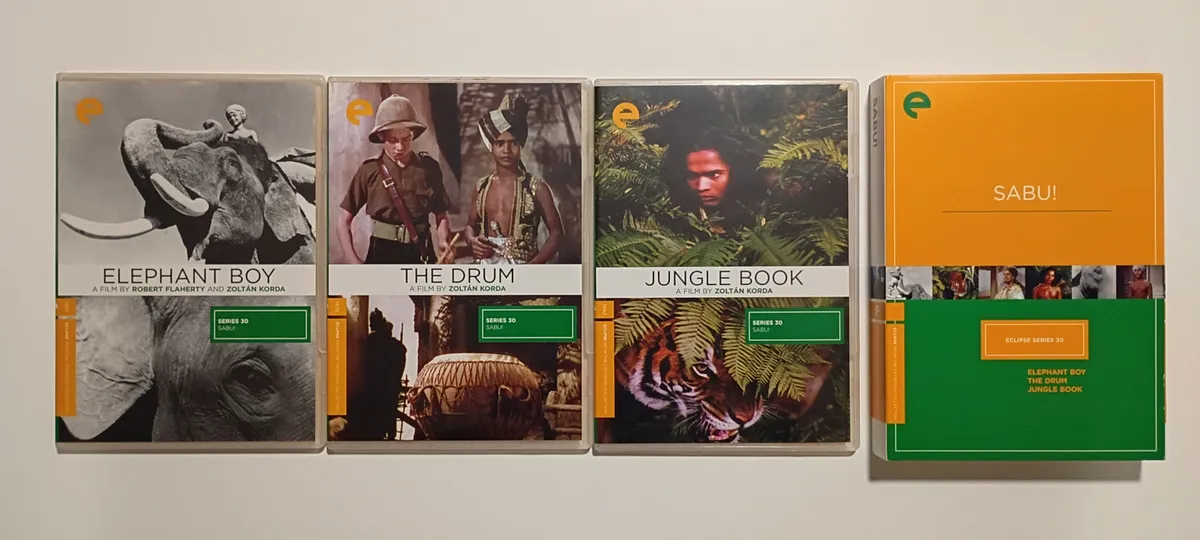
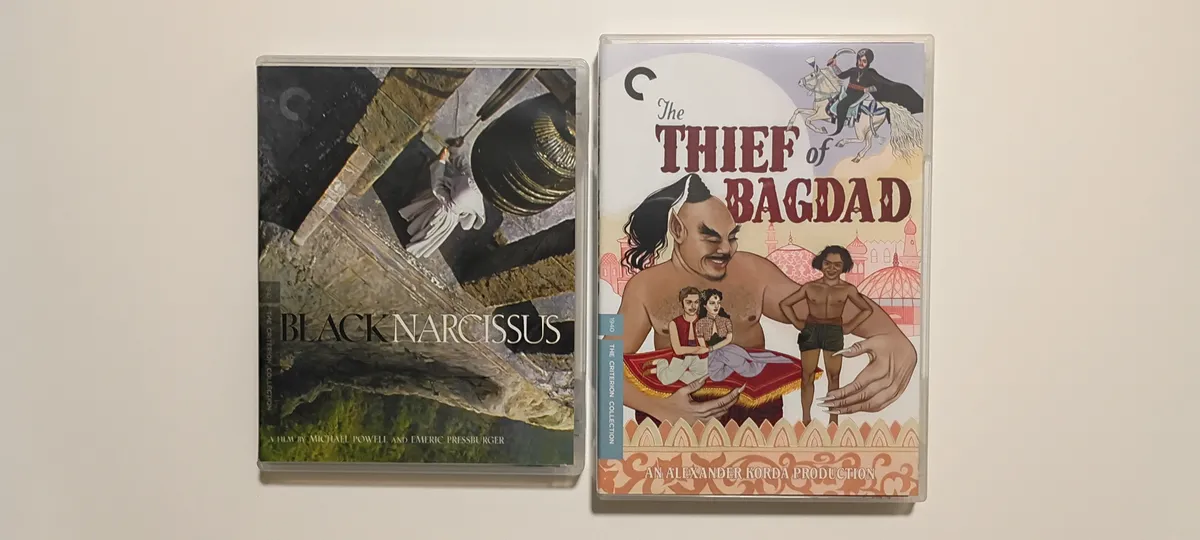
My fascination with Indian cinema, however, is not confined to films made in India. I am equally fond of the old British and Hollywood adventure films featuring Sabu, the Indian-born actor who became an international star in the late 1930s. His films combined exotic spectacle, fantasy, and old-fashioned storytelling, and Criterion has several of his early classics, including The Thief of Bagdad (1940) and Jungle Book (1942). He also appeared in Michael Powell and Emeric Pressburger’s visually stunning Black Narcissus (1947), starring Deborah Kerr . . .
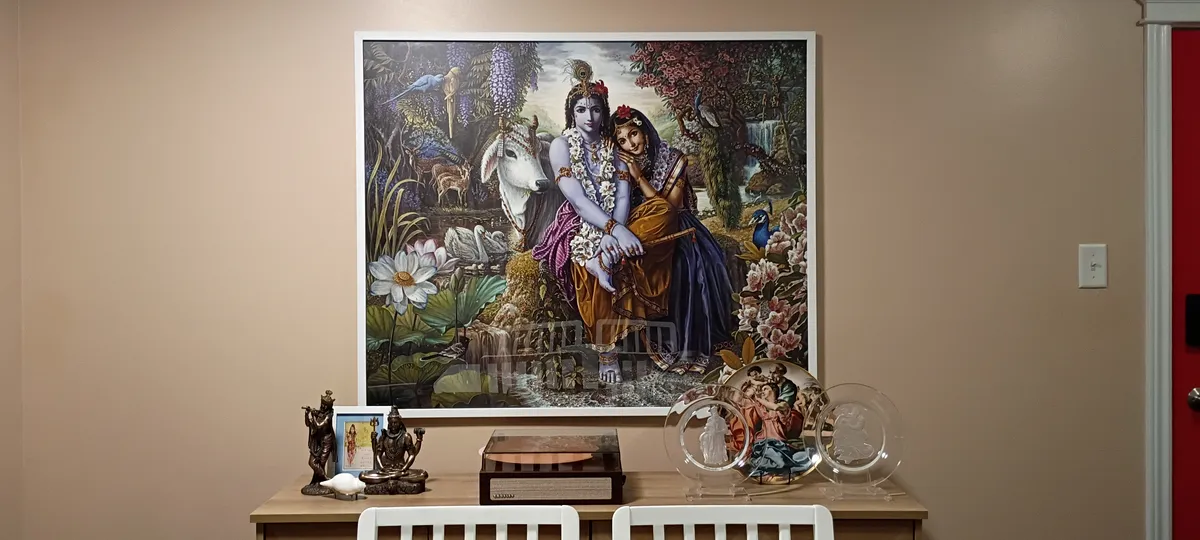
My captivation with India’s artistic and religious traditions is also reflected in my own home. In my dining area hangs a large portrait of Kṛṣṇa as the cowherd Govinda, accompanied by his beloved Rādhā . . .
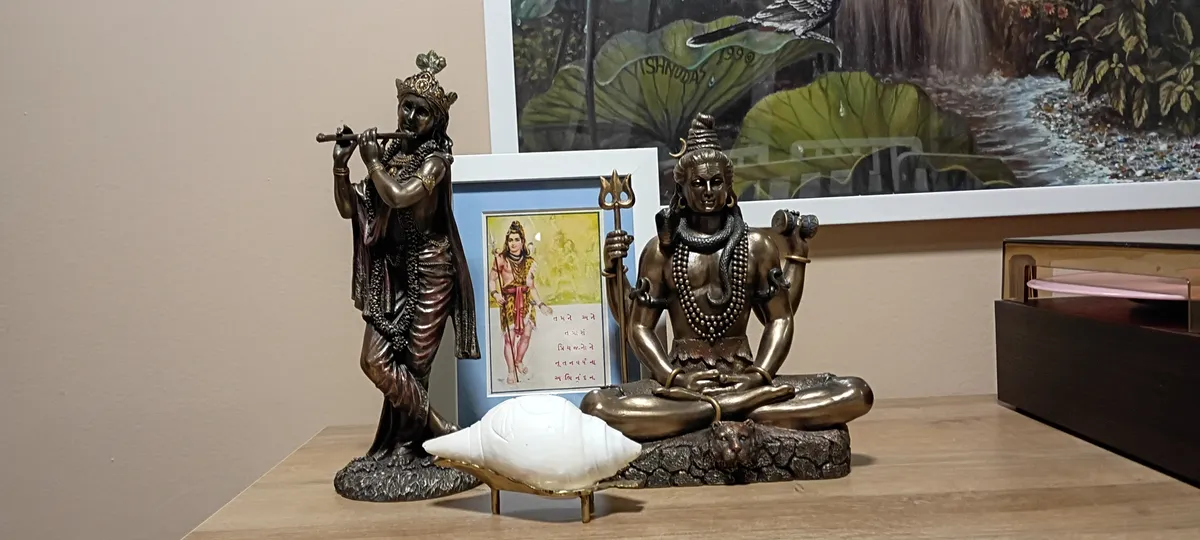
Beneath it are bronze-colored figurines of Govinda playing his flute and Śiva, the destroyer god, seated in meditation. Between them rests a śaṅkha (conch shell), associated particularly with Kṛṣṇa and traditionally blown during religious ceremonies. In the Mahābhārata, Kṛṣṇa sounds his conch, Pāñcajanya, before the great battle between the Pāṇḍavas and the Kauravas at Kurukṣetra. Behind the figurines is a framed vintage Indian New Year’s postcard depicting Śiva . . .
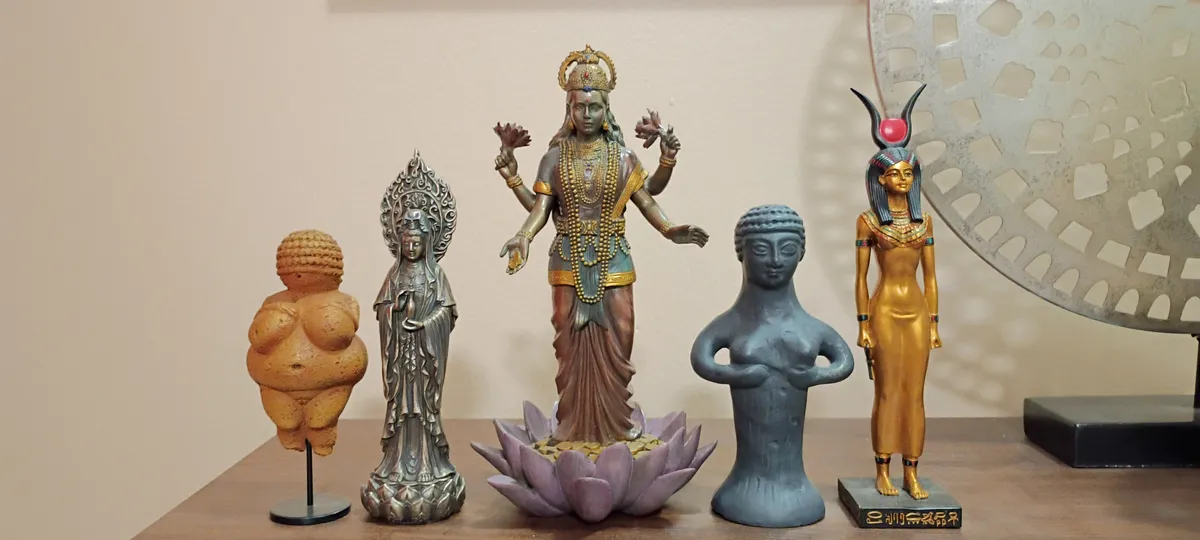
Nearby is a little corner of my home devoted to the eternal feminine in its many forms: goddesses, queens, mothers, and other representations of feminine divinity and beauty drawn from different cultures and artistic traditions . . .
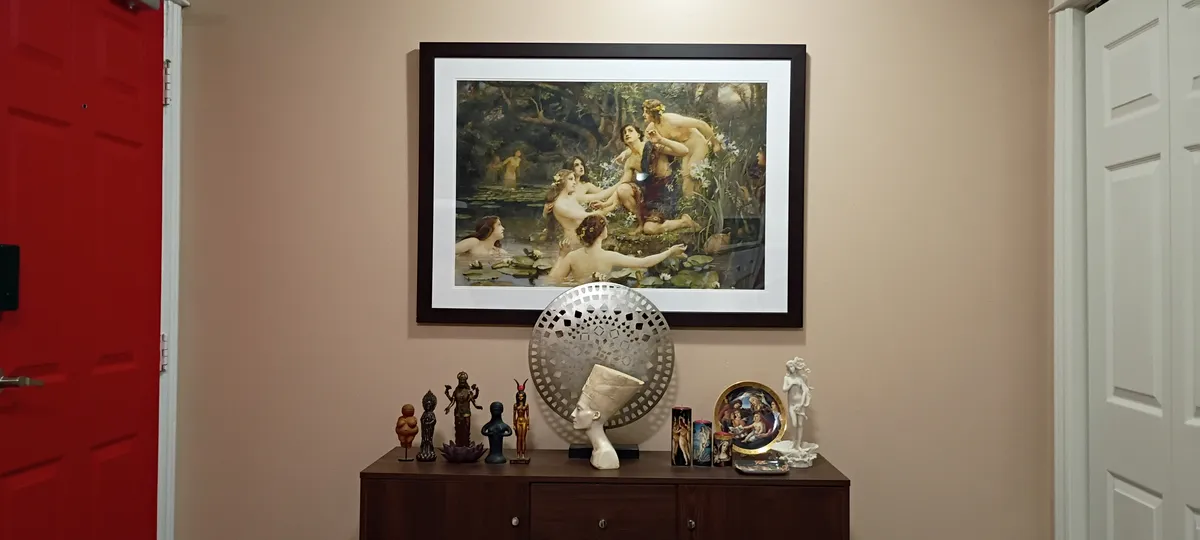
At the center of my collection of mother-goddess figurines stands Lakṣmī, the Hindu goddess of wealth, prosperity, good fortune, and beauty . . .
Indian-inspired fashion and ornamentation became increasingly popular in Western pop culture (thanks to Madonna and the lead singer of No Doubt) in the mid-’90s, and I happily embraced the trend—although my own interest went beyond fashion to a longstanding fascination with Indian art, religion, and mythology.
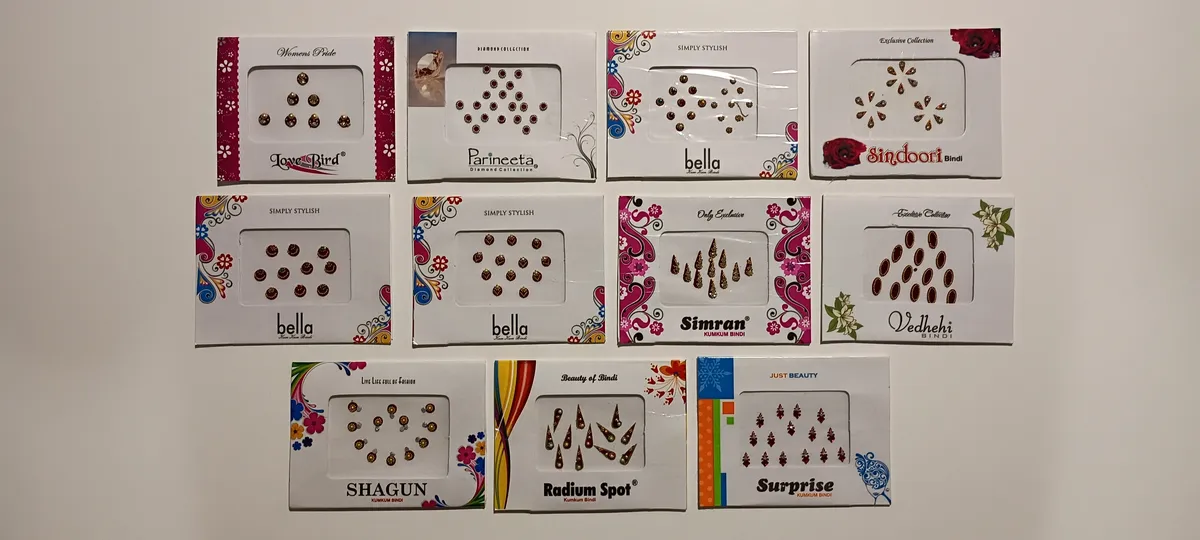
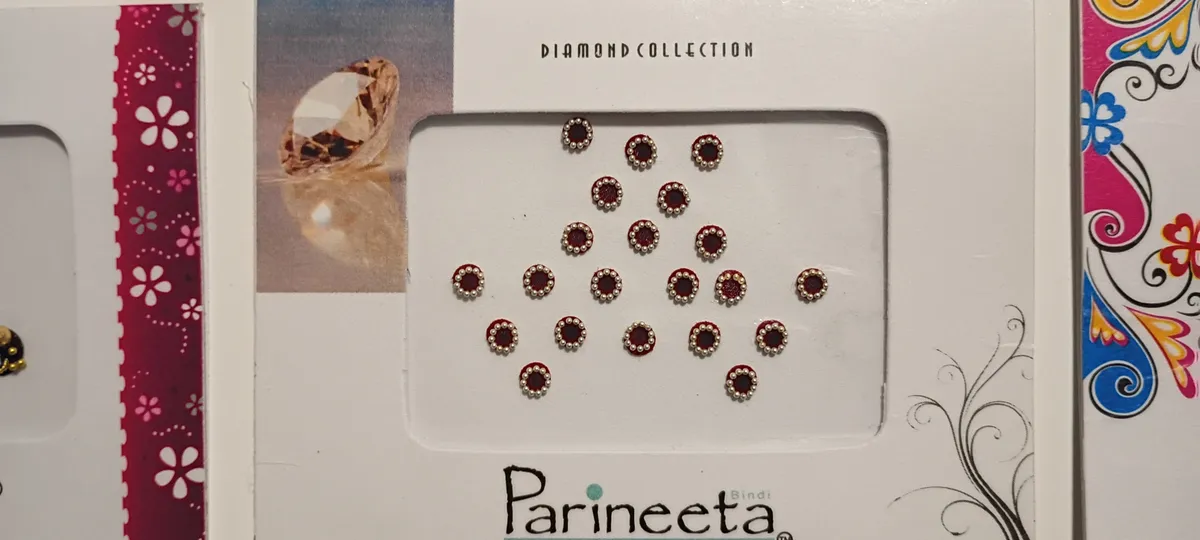
Back then, I used to wear a tilak on my forehead, using the decorative adhesive bindis traditionally associated with Indian women’s adornment. Although the two terms are sometimes used interchangeably, a bindi is generally a small ornamental dot worn between the eyebrows, while a tilak is a religious or ceremonial marking worn by both men and women, often signifying devotion to a particular Hindu deity or tradition. I still have quite a collection of those little adhesive jewels—although I no longer have either the occasion or the opportunity to wear them . . .
Taken together, these books, films, figurines, and adornments are far more than mere keepsakes that I have collected over the years. They are companions that nourish my imagination, sharpen my eye for beauty, and continually inspire my writing, my art, and my soul. One does not need to travel to India to be deeply moved by the depth, drama, and spiritual richness of its traditions. For me, loving Indian culture has always meant welcoming its stories and symbols into my everyday life, in my own small and quiet way.