A child’s cross
HOLY.
MONDAY,
ST.
JOHN’S, NL—Released in 1971 (the year I was born), I first encountered El Cristo del océano [The Christ of the Ocean] on TV when I was six years old:
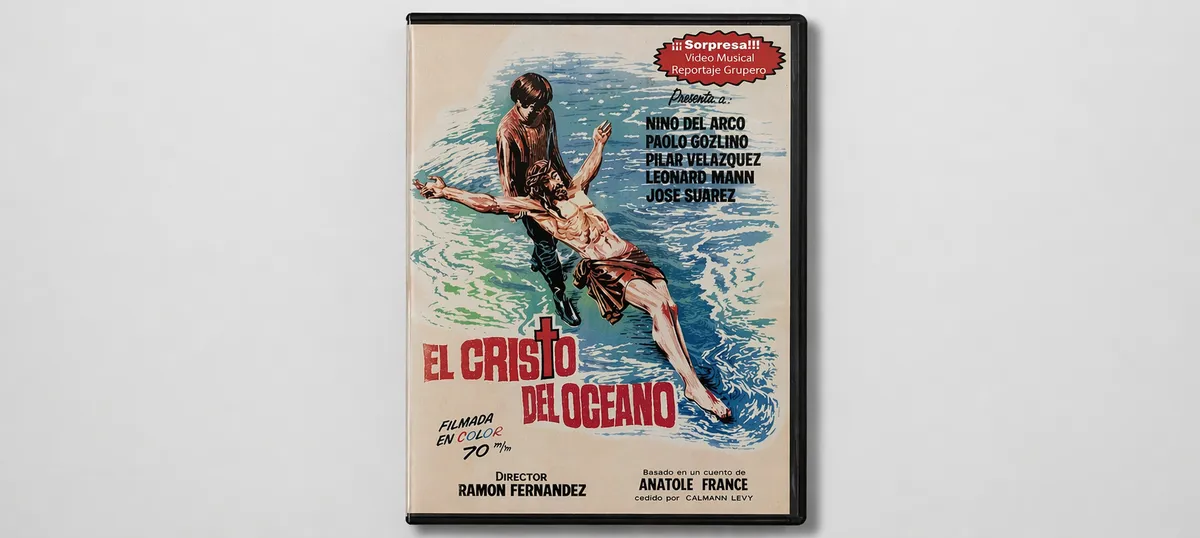
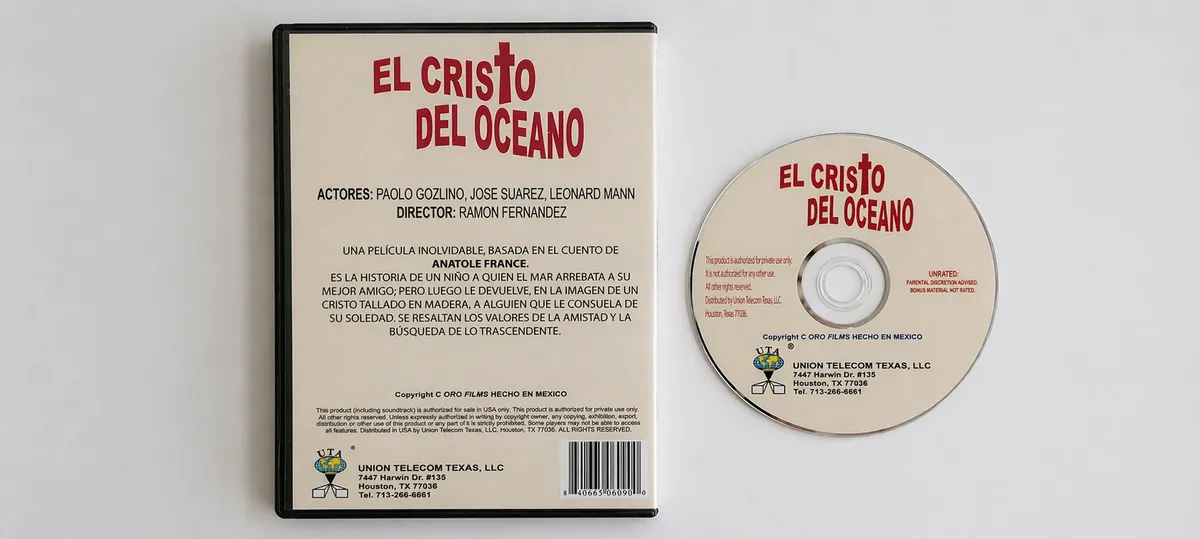
This Spanish-Italian production became one of those rare films about Jesus that didn’t just entertain me as a child, but reached deep into my soul and quietly shaped the course of my spiritual life.
I suspect few people remember it today. Yet I’ve held onto a small collection of rare and precious memorabilia from the film over the years—fragments of something that once meant, and still means, so much to me.
A lobby card featuring the film’s climax on the right:
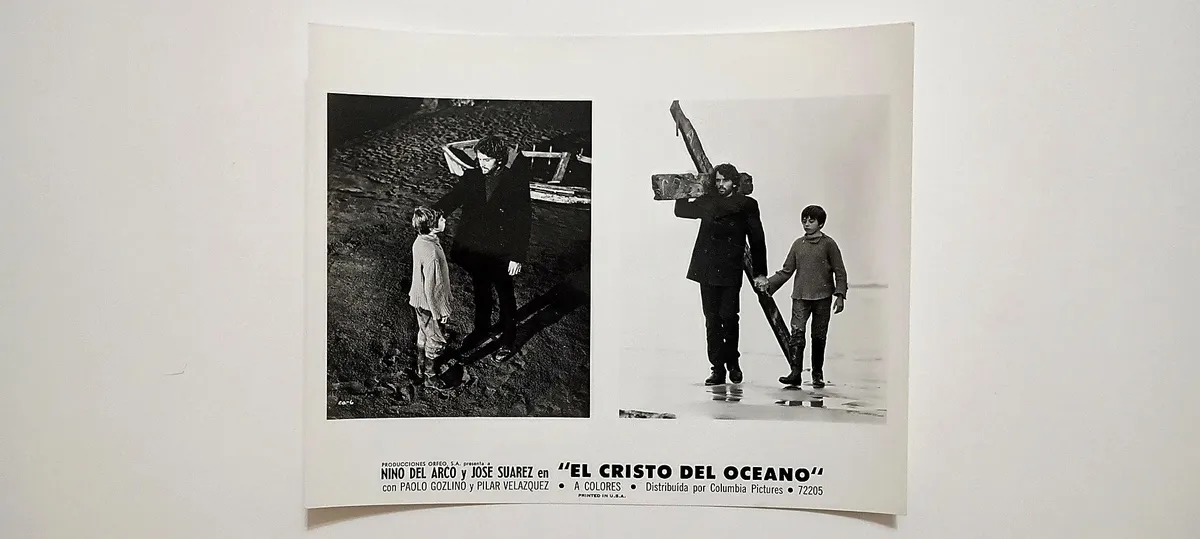
It’s the scene where Manuel carries a crude, makeshift cross while holding little Pedrito’s hand. Even now, that image moves me to tears:
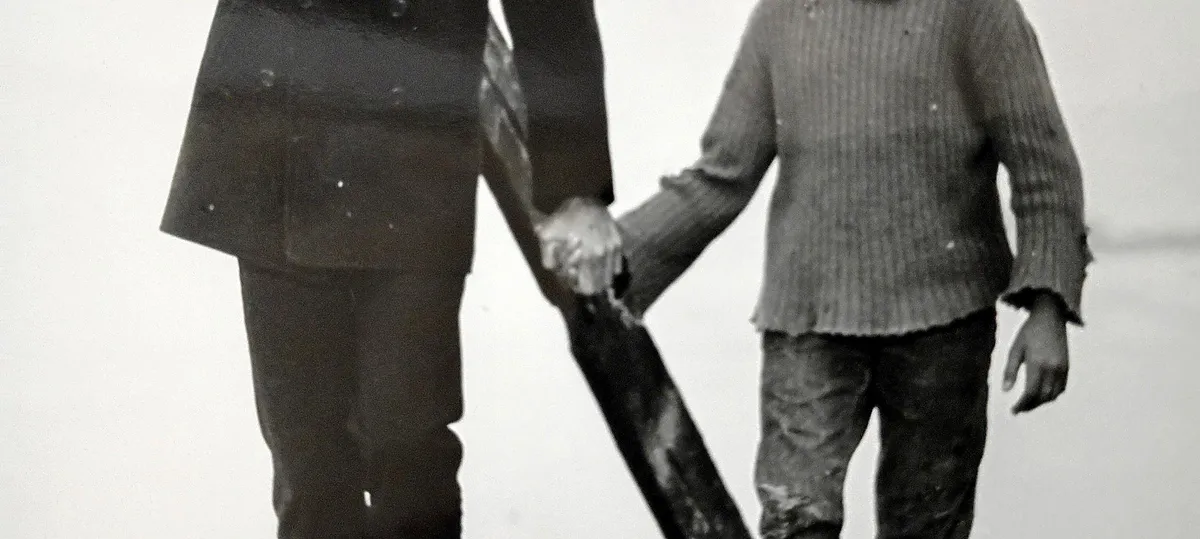
There’s something in that moment—deeply human, yet unmistakably rooted in the heart of the Gospel. We’re often told that each of us must carry our own cross, that we cannot escape the burdens God entrusted to us. And that’s true. Each life comes with its own weight, its own trials, its own calling.
But what we so easily forget is this: we do not carry our crosses alone.
Christ is the true Crossbearer. The Cross is not only our burden—it is His. In ways both visible and unseen, He walks with us, shares the weight, and, when we falter, carries it for us.
That is the quiet truth that scene taught me as a child—and one I am still learning, even now.
I also have a souvenir program from Japan. The film was apparently very popular and deeply loved there in its time:
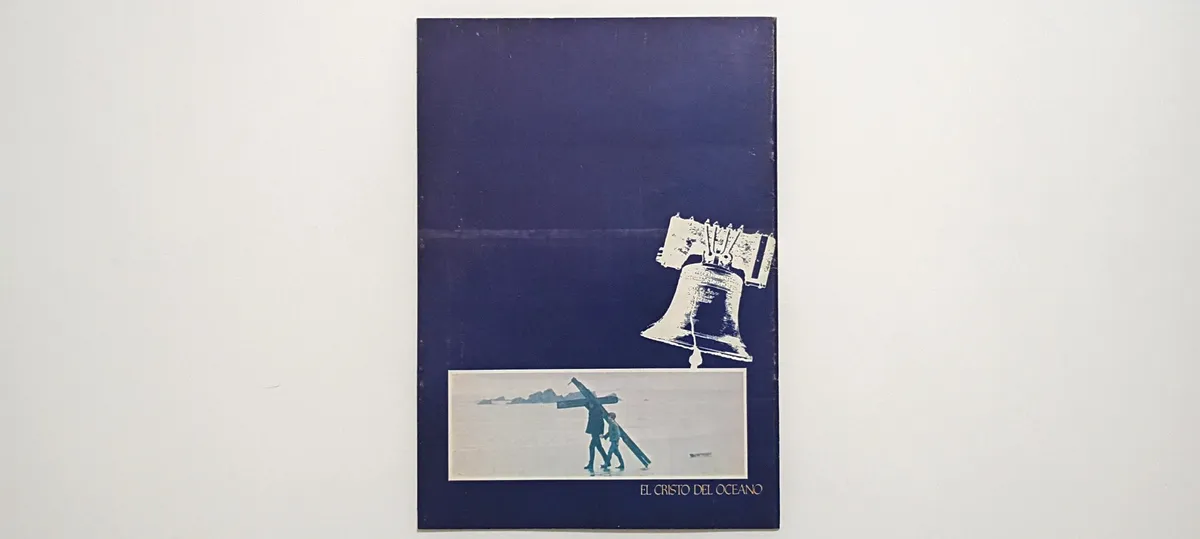
Of course, I can’t read a word of the text, but in a way that almost adds to its charm—the language is inaccessible, yet the emotion isn’t. The stills from the film speak for themselves:
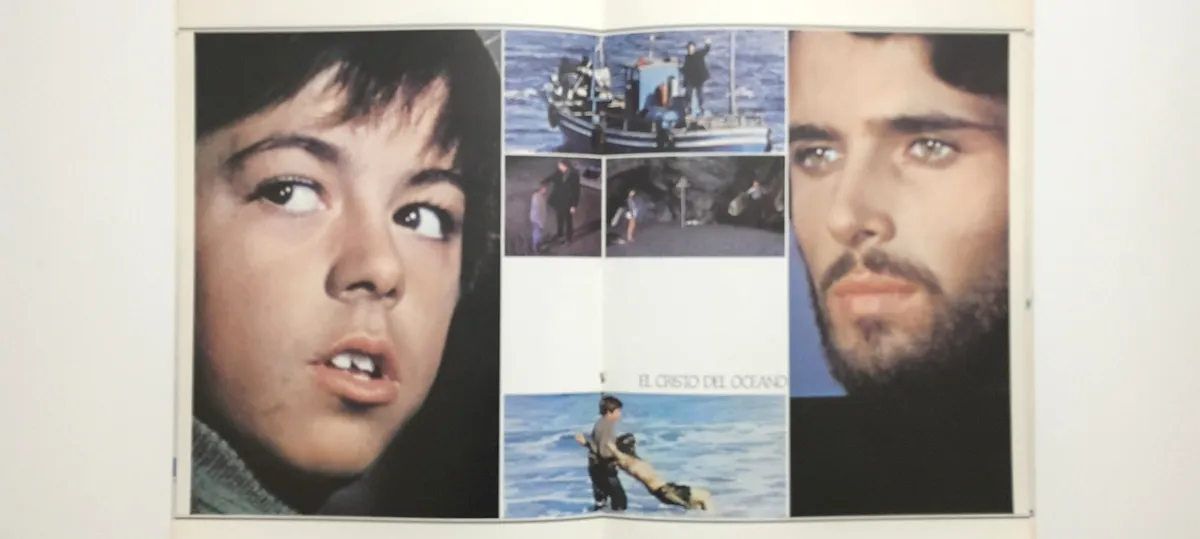
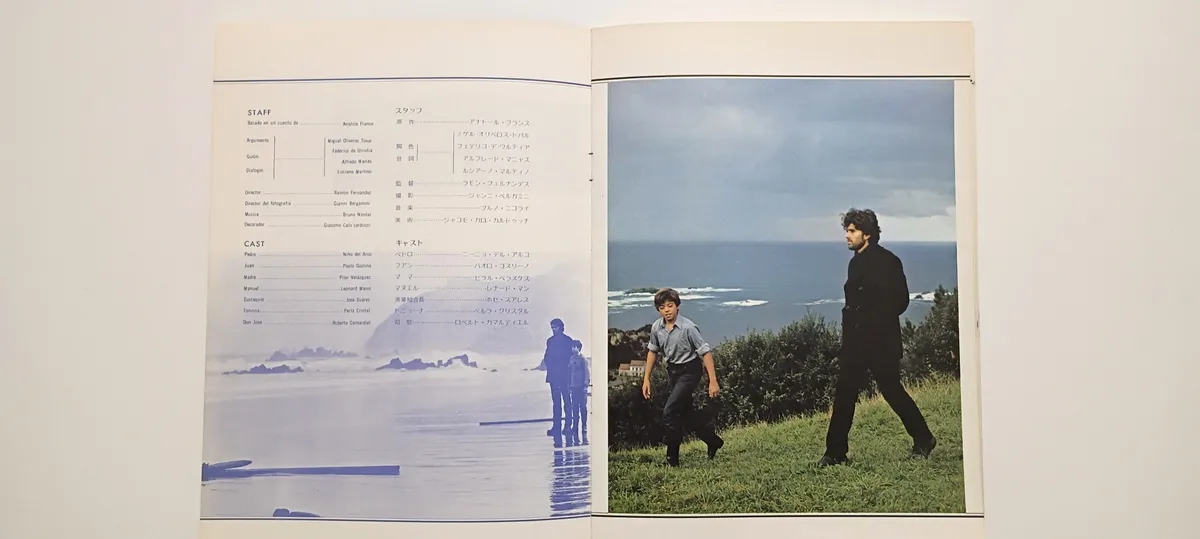
The cover of the booklet—whether front or back, since Japanese (like Hebrew) is read from right to left—depicts the final scene, in which Jesus gives Pedrito the greatest gift imaginable: the return of his mother:
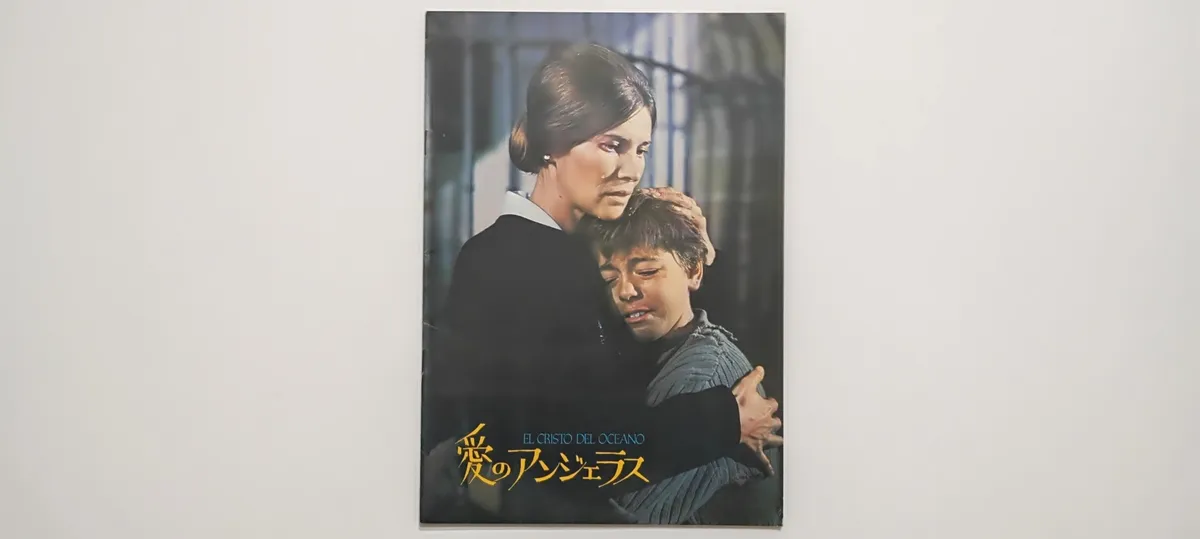
It is meant to be a happy ending, and it truly is. Yet there’s an undercurrent of quiet sadness that lingers. With this miracle comes a kind of loss: Pedrito will no longer encounter Jesus in the same tangible, intimate way. The extraordinary gives way to the ordinary again.
Perhaps that’s what makes the ending so moving—it reflects something true about faith itself. There are moments of closeness so vivid they feel almost physical, but they don’t last in that form.
We are left to remember, to believe, and to carry that Presence within us, even when it is no longer visible.